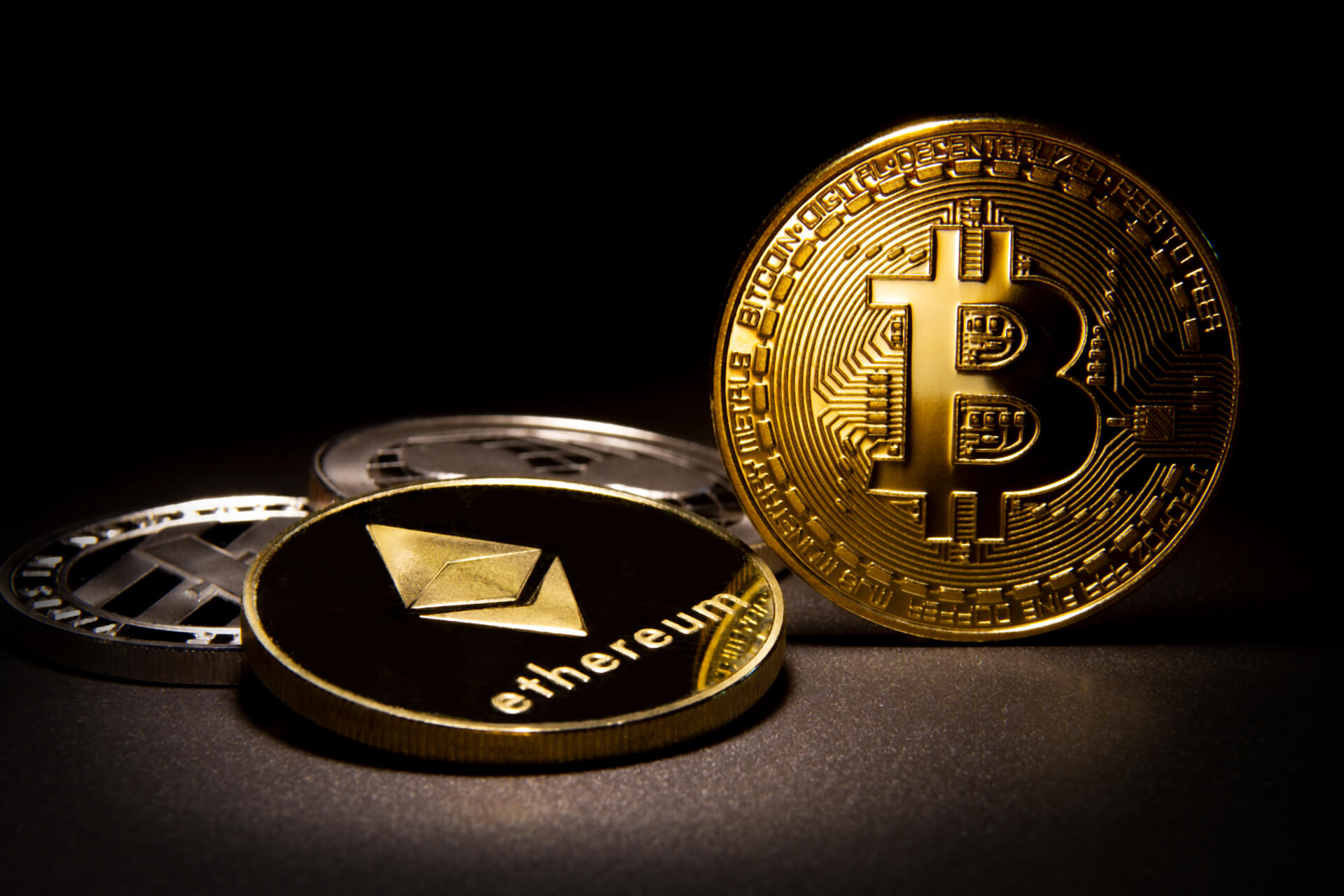
Bitcoin has been the poster child of cryptocurrency since its creation in 2009 by the mysterious Satoshi Nakamoto. Over the years, it has evolved from a niche digital experiment into a global financial phenomenon. As of 2026, Bitcoin continues to dominate the crypto market and attract both investors and tech enthusiasts.
If you are new to cryptocurrency, this guide will help you understand what Bitcoin is, how it works, why it matters, and how beginners can get started safely.
What is Bitcoin?
Bitcoin (BTC) is a digital currency that operates without a central authority, meaning no government, bank, or organization controls it. Unlike traditional money, Bitcoin is decentralized, using blockchain technology to verify transactions securely and transparently.
Key features of Bitcoin include:
- Decentralization: Operates on a peer-to-peer network.
- Limited Supply: Only 21 million Bitcoins will ever exist.
- Divisibility: Each Bitcoin can be divided into 100 million units called Satoshis.
- Transparency: Every transaction is recorded on a public ledger, the blockchain.
Bitcoin’s unique design allows it to function as both a store of value and a medium of exchange, earning it the nickname “digital gold.”
How Does Bitcoin Work?
Bitcoin relies on blockchain technology, a distributed ledger that records every transaction. Here’s how it works in simple terms:
- Transactions: When someone sends Bitcoin, a transaction is created with the sender, receiver, and amount.
- Verification: Miners or validators confirm transactions by solving complex cryptographic puzzles.
- Block Creation: Verified transactions are grouped into blocks and added to the blockchain.
- Security: The blockchain is immutable, meaning once a transaction is recorded, it cannot be altered.
Bitcoin also uses a Proof-of-Work (PoW) mechanism, where miners compete to solve puzzles and earn rewards. This system ensures the network remains secure and resistant to fraud.
Why Bitcoin Matters in 2026
Bitcoin is no longer just an experimental digital currency. Its relevance in 2026 can be attributed to several factors:
- Global Acceptance
- Bitcoin is widely accepted for payments by businesses, online platforms, and even some governments.
- Institutions such as banks, hedge funds, and corporations are increasingly adding Bitcoin to their balance sheets.
- Inflation Hedge
- With concerns about traditional currencies losing value due to inflation, Bitcoin’s fixed supply makes it a potential hedge.
- Decentralized Finance (DeFi) Integration
- Bitcoin can now interact with DeFi platforms via tokenized versions, enabling lending, borrowing, and yield generation.
- Technological Advancements
- Solutions like the Lightning Network have significantly improved Bitcoin’s transaction speed and scalability.
How to Buy Bitcoin
For beginners, buying Bitcoin in 2026 is straightforward, but it requires careful planning and safe practices.
Step 1: Choose a Reputable Exchange
A crypto exchange is a platform where you can buy, sell, and trade Bitcoin. Look for:
- Security features (2FA, cold storage).
- Regulatory compliance.
- Low transaction fees and good liquidity.
Popular exchanges include: Coinbase, Binance, Kraken, and Gemini.
Step 2: Set Up a Bitcoin Wallet
A Bitcoin wallet stores your private keys—the keys to your coins. Wallets can be:
- Hot Wallets: Online wallets, convenient but less secure.
- Cold Wallets: Offline wallets like Ledger or Trezor, offering maximum security.
Step 3: Make Your First Purchase
- Decide the amount you want to invest.
- Use bank transfers, credit/debit cards, or other payment methods supported by the exchange.
- Consider starting small to familiarize yourself with the process.
How to Store Bitcoin Safely
Security is crucial in cryptocurrency. Here’s how beginners can protect their Bitcoin:
- Use Cold Storage for Long-Term Holding
- Hardware wallets keep your private keys offline and safe from hackers.
- Enable Two-Factor Authentication (2FA)
- Adds an extra layer of security to your exchange and wallet accounts.
- Backup Your Wallet
- Keep a secure copy of your recovery phrase offline. Losing it means losing access to your Bitcoin.
- Avoid Sharing Private Keys
- Your private key is like a password. Never share it with anyone.
Understanding Bitcoin’s Price Volatility
Bitcoin is famous for its price swings. Beginners should understand:
- Market Fluctuations: Prices can rise or fall dramatically in hours.
- Influencing Factors: Adoption rates, government regulations, technological developments, and global economic conditions.
- Long-Term Perspective: Despite short-term volatility, Bitcoin has historically grown in value over the long term.
Tip for Beginners: Avoid panic selling during dips and consider strategies like dollar-cost averaging (DCA) to mitigate risk.
Using Bitcoin
Bitcoin isn’t just an investment—it’s also a form of money. In 2026, you can:
- Send Money Globally
- Bitcoin allows fast, low-fee international transfers without intermediaries.
- Pay for Goods and Services
- More merchants accept Bitcoin directly or via payment processors.
- Participate in DeFi
- Tokenized Bitcoin can be used on decentralized finance platforms for lending, staking, or yield farming.
- Store Value
- Like digital gold, Bitcoin can act as a long-term store of wealth.
Risks of Investing in Bitcoin
While Bitcoin has many benefits, beginners should be aware of potential risks:
- Price Volatility
- Rapid fluctuations can lead to significant gains or losses.
- Regulatory Risk
- Governments may introduce laws that affect Bitcoin trading or ownership.
- Security Risks
- Hacks, scams, and phishing attacks target crypto investors.
- Loss of Private Keys
- Losing access to your private keys means losing your Bitcoin permanently.
- Market Manipulation
- Large investors, or “whales,” can influence prices, causing sudden movements.
Understanding these risks is crucial for safe investing.
Strategies for Beginners
Here are some beginner-friendly strategies to navigate Bitcoin safely:
1. Buy and Hold (HODL)
- Purchase Bitcoin and hold for the long term.
- Takes advantage of potential long-term growth while minimizing stress from short-term volatility.
2. Dollar-Cost Averaging (DCA)
- Invest a fixed amount regularly, regardless of price.
- Reduces the risk of buying at market peaks.
3. Diversify Your Portfolio
- Don’t put all your funds into Bitcoin; consider other cryptocurrencies or traditional investments.
4. Use Reputable Exchanges and Wallets
- Security and reliability are more important than speed or convenience.
5. Stay Informed
- Follow crypto news, regulatory updates, and technological developments to make informed decisions.
Bitcoin and the Future
In 2026, Bitcoin continues to influence global finance:
- Institutional Adoption: More banks, corporations, and governments are integrating Bitcoin into their systems.
- Technological Innovations: Scaling solutions like the Lightning Network are making Bitcoin more usable for everyday transactions.
- Integration with DeFi and NFTs: Bitcoin is increasingly participating in decentralized finance and digital asset ecosystems.
- Global Recognition: Bitcoin is gaining legitimacy as both a store of value and a medium of exchange.
The combination of technology, adoption, and scarcity makes Bitcoin a unique investment asset for beginners and experienced investors alike.
Beginner’s Checklist for Bitcoin Investing
Before you start investing in Bitcoin, make sure you:
- Understand what Bitcoin is and how it works.
- Set clear investment goals and risk tolerance.
- Choose a reputable exchange.
- Secure your Bitcoin with a wallet and backup your private keys.
- Start with a small investment and diversify.
- Learn to handle volatility without panic.
- Stay updated on news, regulations, and market trends.
Following this checklist will help beginners invest safely and confidently in 2026.
Conclusion
Bitcoin is more than just a digital currency—it’s a revolutionary financial technology that is shaping the future of money. For beginners in 2026, understanding its fundamentals, securing your investments, and adopting safe strategies are essential to navigate the volatile crypto market.
Whether you are investing for the long term, using Bitcoin for transactions, or exploring DeFi applications, starting with education, security, and discipline will help you make the most of your Bitcoin journey.
Remember, Bitcoin investing carries risks, but with careful planning and knowledge, it offers opportunities for growth, financial inclusion, and participation in the future of decentralized finance.